
⚡ FIBC Products
Conductive Big Bag (Type C)
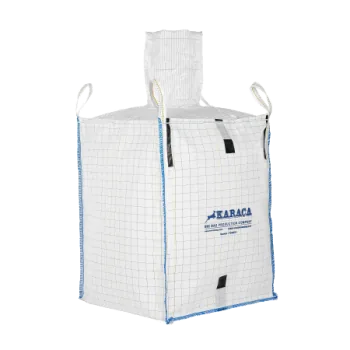
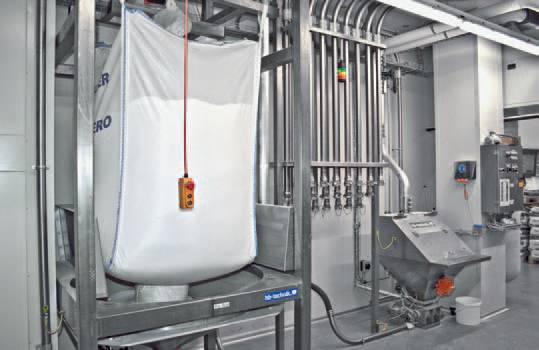
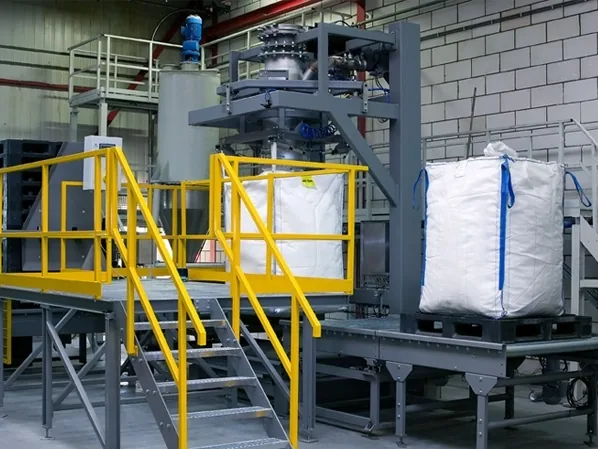
Type C FIBC bulk bags manufactured with antistatic and conductive yarn weave provide safe bulk material handling in combustible dust and explosive atmospheres (ATEX) environments.
Technical Specifications
Conductive Big Bag (Type C) Specs
Type Classification
Type C (Conductive)
Capacity
500 - 1500 kg
Safety Factor (SF)
5:1 or 6:1
Surface Resistance
< 10⁸ Ohm
Grounding
Grounding label + cable
Area of Use (ATEX Zones)
Dust: Zone 21, 22 · Gas: Zone 1, 2 (IIA/IIB)
Conductive Yarn Grid
20x20 mm or 50x50 mm
Fabric Color
Black yarn grid visible
Conductive Big Bag (Type C): Safety in Explosive Atmospheres
Type C Conductive Big Bag is a specialized FIBC designed for safe material handling in explosive atmospheres (ATEX).
Conductive yarns integrated into the fabric weave safely conduct static electricity to ground, preventing spark formation.
Static Electricity Hazard
Static electricity is generated by friction during filling or discharge operations.
Risk Factors
- Static charge accumulates on standard big bag surfaces
- Can discharge as a spark when reaching sufficient levels
- Combustible dust (MIE < 1000 mJ) creates explosion risk
- Explosive gas/vapor presence increases danger
Type C big bag eliminates this risk.
How Type C Works
Conductive Yarn Grid System
Type C big bag fabric contains conductive (carbon-content) yarns.
- Grid spacing: 20x20 mm or 50x50 mm
- Collects static charge from entire fabric surface
- Yarns connected to grounding point
Grounding Mechanism
All conductive yarns connect to the grounding point (yellow-green labeled).
When connected to an effective grounding system, static electricity safely flows to ground.
Critical Usage Rules
⚠️ Grounding is Mandatory
Type C big bag MUST be used grounded.
- Ungrounded use is extremely dangerous
- Conductive yarns concentrate charge at one point
- Without grounding, severe discharge occurs
- More dangerous than standard big bag
Operational Rules
- Continuous Connection — Grounding must remain active during entire operation
- Visual Inspection — Check cable and connection before each use
- Yarn Integrity — Verify no breaks or damage in conductive yarns
Use in Explosive Atmospheres (IEC 61340-4-4)
Our Type C big bags are tested to IEC 61340-4-4, the standard governing the electrostatic safety of FIBCs. Under this standard, Type C big bags are suitable, when properly grounded, for use in the following ATEX zones:
Suitable Zones
- Zone 21 (explosive dust atmosphere likely)
- Zone 22 (explosive dust atmosphere unlikely and short-lived)
- Zones 1 and 2 (explosive gas atmosphere; gas groups IIA and IIB)
Product test certificate provided upon request.
Customization Options
Configure to Your Needs
Antistatic Liner
Surface resistance < 10⁹ Ohm PE liner
Conductive Liner
Conductive carbon-filled PE liner
Ground Label Position
Grounding point at top or bottom
Earth Cable
Integrated grounding cable
Screw Connection
Screw terminal for grounding
Product Gallery
Conductive Big Bag (Type C)
Application Areas
Where is Conductive Big Bag (Type C) Used?
Frequently Asked Questions
About Conductive Big Bag (Type C)
Type C (Conductive) Big Bag is an FIBC containing conductive yarns integrated into the fabric weave. These yarns conduct static electricity to the grounding point for safe discharge. Designed for safe use with combustible dusts or in explosive atmospheres (ATEX Zones 21-22 for dust, Zones 1-2 for gas groups IIA/IIB), it must always be grounded during use.
Type C big bag contains conductive yarns and MUST be grounded - cannot be used without grounding. Type D uses corona discharge technology and does not require grounding. Type C is more economical but requires operational discipline. Type D eliminates grounding oversight risk but has higher cost.
Conductive big bag is mandatory when: handling combustible dusts with Minimum Ignition Energy (MIE) < 1000 mJ, working in explosive gas/vapor environments, operating in areas classified as ATEX Zone 21/22 (dust) or Zone 1/2 (gas, IIA/IIB). Sugar, flour, aluminum powder, pharmaceutical active ingredients, and organic chemicals fall into this category.
The Type C big bag must be connected to an effective grounding system from its visible grounding label (yellow/green). Grounding resistance must be < 10⁸ Ohm. Grounding connection must be maintained throughout the ENTIRE filling and discharge operation. A big bag with broken or damaged grounding cable must never be used.
Type C big bags are tested according to IEC 61340-4-4 standard. Core tests include: fabric surface resistance test (< 10⁸ Ohm), conductive yarn continuity test, grounding point resistance test. Additionally, conductivity continuity of all seams and connection points is verified.
Related Products
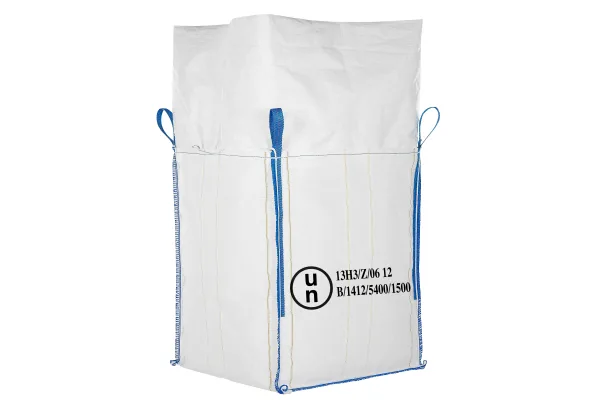
UN Certified Big Bag
UN/ADR approved FIBC bulk bags (UN 13H1 to 13H4) enable safe international road, rail, and sea transport of solid dangerous goods.
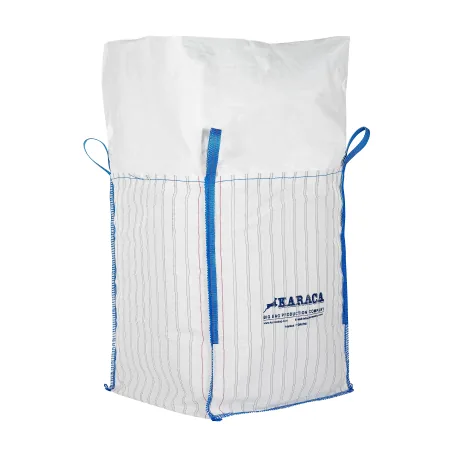
Ventilated Big Bag
Ventilated big bags let the product inside breathe through ventilation openings across the fabric surface. They prevent sweating, mould and spoilage when transporting and storing produce that releases moisture and heat, such as potatoes, onions and firewood.

Liner (Inner Lining)
Big bag liners made from LDPE, MDPE, HDPE, EVOH, PA, conductive, and aluminum materials provide moisture barrier, gas impermeability, and product protection for food, pharmaceutical, and chemical industries.